Low-Carb Lifestyle
Using Keto Macros To Track Your Eating Plan
Keto macros are the foundation of how the ketogenic diet works. The keto diet offers many health benefits when followed correctly. Instead of simply cuttin

Keto macros are the foundation of how the ketogenic diet works. The keto diet offers many health benefits when followed correctly. Instead of simply cutting carbs, you need the right balance of fat, protein, and carbohydrates to help your body enter and stay in ketosis. This is what allows your body to shift from burning glucose to burning fat for energy. Tracking your intake is not just helpful; it is essential if you want consistent results.
When you understand and manage your keto macros correctly, you remove guesswork and give your body the conditions it needs to perform efficiently and support your goals.
👉 Download the free keto cheat sheet to quickly see what to eat and stay within your macros.
What Are Keto Macros And Why They Matter
Keto macros refer to the three key nutrients your body uses for energy: fat, protein, and carbohydrates. On a ketogenic diet, the balance of these macros is adjusted to support fat burning instead of relying on carbs.
Fat (Primary Energy Source)
- Makes up the majority of your calorie intake
- Provides steady energy throughout the day
- Supports ketosis, where your body burns fat for fuel
Protein (Support and Maintenance)
- Helps maintain muscle and body functions
- Should be kept at a moderate level
- Too much protein can interfere with ketosis
Carbohydrates (Strictly Limited)
- Kept very low to allow ketosis to happen
- Excess carbs stop fat burning and shift the body back to glucose use
- Often, the most challenging macro to control
Why Keto Macros Matter
- The correct ratio helps your body enter ketosis
- Balanced keto macros support consistent energy levels
- Incorrect ratios can prevent fat loss and reduce results
When your keto macros are aligned properly, your body produces ketones and begins to rely on fat as its main fuel source. This is what makes the ketogenic diet effective when done correctly.
How Keto Macros Work In The Body
Your body is designed to use different fuel sources depending on what you eat. Keto macros guide this process by shifting your body away from relying on carbohydrates and toward using fat as its primary energy source.
The Shift From Carbs To Fat
- On a typical diet, your body uses glucose from carbohydrates as its primary fuel
- When carb intake is reduced, glucose becomes limited
- Your body begins converting fat into ketones in the liver
- These ketones are then used as an alternative energy source
This metabolic shift is known as ketosis. It is the core mechanism behind how the ketogenic diet works.
What Happens When Carbs Are Too High
- Your body returns to using glucose instead of fat
- Ketone production slows down or stops
- Fat burning becomes less efficient
- Energy levels may fluctuate more throughout the day
Even small increases in carbohydrates can interrupt ketosis, which is why careful tracking is important.
Why Ratios Matter For Staying In Ketosis
- Fat intake must be high enough to support energy needs
- Protein should remain moderate to avoid disrupting ketone production
- Carbohydrates must stay low to maintain the fat-burning state
If these ratios are not balanced correctly, your body will not stay in ketosis. Keeping your keto macros consistent ensures your body continues to rely on fat for fuel, which is essential for achieving and maintaining results on a ketogenic diet.
Typical Keto Macros Ratio Explained
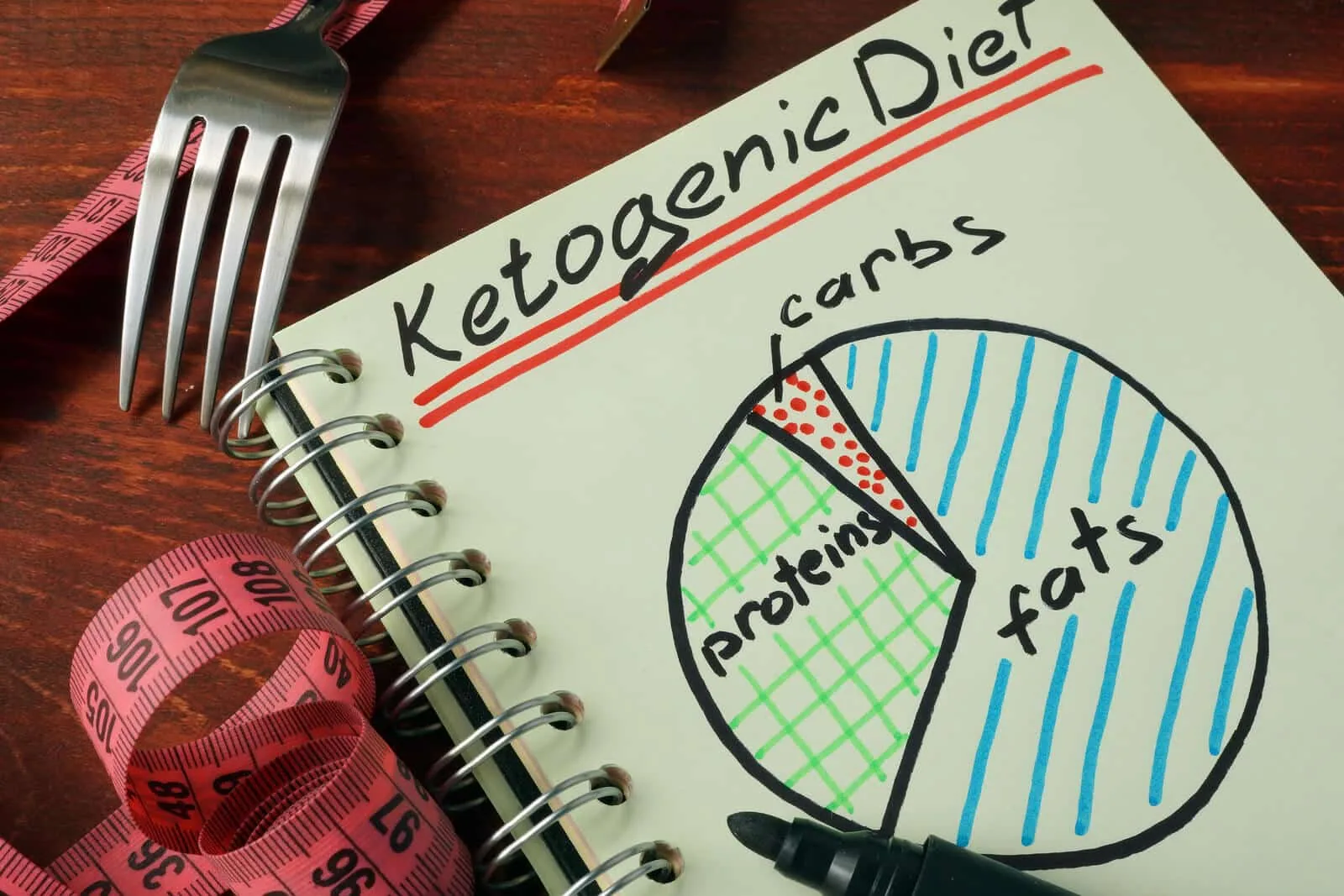
A common starting point for keto macros is a 75/20/5 ratio. This means about 75 percent of your calories come from fat, 20 percent from protein, and 5 percent from carbohydrates. This balance is designed to support ketosis while still providing enough nutrients for daily function.
Fat (Primary Energy Source)
- Makes up the largest portion of your intake
- Provides steady, long-lasting energy
- Supports ketone production and fat burning
Protein (Maintenance And Support)
- Helps preserve muscle mass
- Supports recovery and essential body processes
- Should stay moderate, not high
Carbohydrates (Strictly Limited)
- Kept low to maintain ketosis
- Even small increases can shift the body out of fat-burning mode
- Typically comes from low-carb vegetables and minimal sources
Ratios Can Vary Slightly
The 75/20/5 ratio is a guideline, not a fixed rule. Some people may adjust their keto macros slightly depending on their goals, activity level, and how their body responds. The key is maintaining a low-carbohydrate intake and sufficient fat to support energy levels, while keeping protein within a controlled range.
The Benefits Of Using A Keto Macros Calculator
Tracking keto macros manually can quickly become confusing, especially when you are trying to balance fat, protein, and carbohydrates correctly. A keto macros calculator simplifies this process and gives you a clear starting point based on your personal details and goals.

Removes Guesswork
- Calculates your ideal macro ratios based on your body and goals
- Eliminates the need to estimate portions or ratios
- Helps you stay consistent without second-guessing your intake
Saves Time
- Provides results in seconds instead of manual calculations
- Reduces the need for constant adjustments and recalculations
- Allows you to focus on food choices instead of numbers
Improves Accuracy
- Gives precise macro targets tailored to you
- Helps prevent common mistakes like too many carbs or excess protein
- Supports staying in ketosis more consistently
Using a keto macros calculator makes the process more structured and reliable. Instead of guessing what might work, you follow clear targets that align with how the ketogenic diet functions, making it easier to stay on track and achieve consistent results.
How To Use A Keto Macros Calculator
A keto macros calculator helps you determine the right balance of fat, protein, and carbohydrates based on your individual needs. Using it correctly ensures you stay aligned with your goals and maintain ketosis.
Step 1: Enter Your Details
- Input your age, weight, height, and activity level
- Select your goal, such as weight loss, maintenance, or performance
- These details allow the calculator to estimate your daily calorie needs
Step 2: Adjust Your Macros
- Review the suggested keto macros ratio
- Adjust fat, protein, and carbs slightly if needed based on your preferences
- Ensure carbohydrates remain low to support ketosis
Step 3: Track Your Food Daily
- Use a food tracking app or journal to log your meals
- Compare your intake with your calculated macros
- Make small adjustments to stay consistent over time
Using a keto macros calculator gives you a structured starting point. If you want to simplify the process, you can use the free calculator available on this website to generate your personalized macro targets and begin tracking with confidence.
👉 Use the free keto macros calculator to get your exact numbers:
/free-keto-calculator/
Common Mistakes When Tracking Keto Macros
Tracking keto macros can seem straightforward, but small mistakes can prevent your body from staying in ketosis and slow down your progress. Understanding these common issues helps you stay consistent and avoid unnecessary setbacks.
Too Much Protein
- Consuming excess protein can reduce ketone production
- The body may convert extra protein into glucose
- This can interfere with staying in a fat-burning state
Hidden Carbs
- Sauces, dressings, and processed foods often contain hidden sugars
- Even small amounts can add up quickly throughout the day
- This can push you over your carb limit without realizing it
Not Tracking Portions
- Guessing portion sizes leads to inaccurate macro tracking
- Even healthy foods can disrupt your balance if amounts are off
- Using a scale or tracking app improves consistency
Not Adjusting Over Time
- Your macro needs change as your weight and goals change
- Staying on the same numbers for too long can slow progress
- Regular adjustments help maintain results and keep your body responsive
Avoiding these mistakes makes tracking keto macros more effective and helps you stay in ketosis more consistently, which is essential for achieving long-term results.
Practical Example Of Keto Macros In A Day
Understanding keto macros becomes much easier when you see how they translate into real meals. Below is a simple example of how a typical day might look when following a ketogenic approach. The focus is on keeping carbs low, protein moderate, and fat as the main energy source.
Breakfast
- eggs cooked in butter
- avocado on the side
- black coffee or tea
This meal provides healthy fats and moderate protein while keeping carbohydrates very low.
Lunch
- grilled chicken or salmon
- leafy greens with olive oil
- a small portion of cheese
Here, protein supports maintenance, while fats from olive oil and cheese help maintain energy and ketosis.
Dinner
- beef steak or ground beef
- sautéed low-carb vegetables like zucchini or spinach
- added butter or oil for extra fat
Dinner continues the same pattern, focusing on fat for energy and controlled protein intake.
What This Shows
- Fat is included in every meal as the primary energy source
- Protein is present but not excessive
- Carbohydrates are kept low and come mainly from vegetables
This type of daily structure helps keep your keto macros balanced and supports staying in ketosis without overcomplicating your food choices.
How To Adjust Keto Macros For Your Goals
Your keto macros are not fixed. They should change based on your goal, activity level, and how your body responds over time. Adjusting them correctly helps you stay in ketosis while supporting your specific outcome.
Weight Loss vs Maintenance
- For weight loss, you may reduce overall calories slightly while keeping carbs low
- Fat intake is adjusted to create a calorie deficit without removing it too aggressively
- For maintenance, calories are increased to support a stable weight while keeping the same macro balance
The key difference is total calorie intake, not a drastic change in the macro ratios.
Activity Level
- Higher activity levels may require more protein for recovery
- Some individuals may slightly increase carbs around workouts while staying within limits
- Lower activity levels often require fewer calories overall
Your daily movement and exercise directly affect how much energy your body needs.
Reassess Over Time
- As your weight changes, your calorie needs also change
- Staying on the same keto macros for too long can slow progress
- Regular adjustments help maintain results and prevent plateaus
Review your macros every few weeks and make small changes if needed. This keeps your approach aligned with your current goals and ensures your body continues to respond effectively.
Conclusion: Making Keto Macros Work Long Term
Getting your keto macros right is not about perfection. It is about consistency over time. When you consistently maintain the right balance of fat, protein, and carbohydrates, your body adapts and responds more efficiently. Small, consistent actions will always produce better results than short periods of strict tracking followed by inconsistency. Tracking plays a key role in this process. It helps you stay aware of what you are eating, identify mistakes early, and make adjustments when needed. Without tracking, it becomes easy to drift away from the macro balance required to maintain ketosis.
To make this easier, using a keto macros calculator gives you a clear starting point and removes unnecessary guesswork. It allows you to focus on building habits that support your goals while keeping your approach simple and structured over the long term.