Low-Carb Lifestyle
Low-Carb Meal Planning Made Simple
Low-carb meal planning sounds simple until real life gets involved. One busy week turns into another, groceries sit unused in the fridge, and suddenly dinn
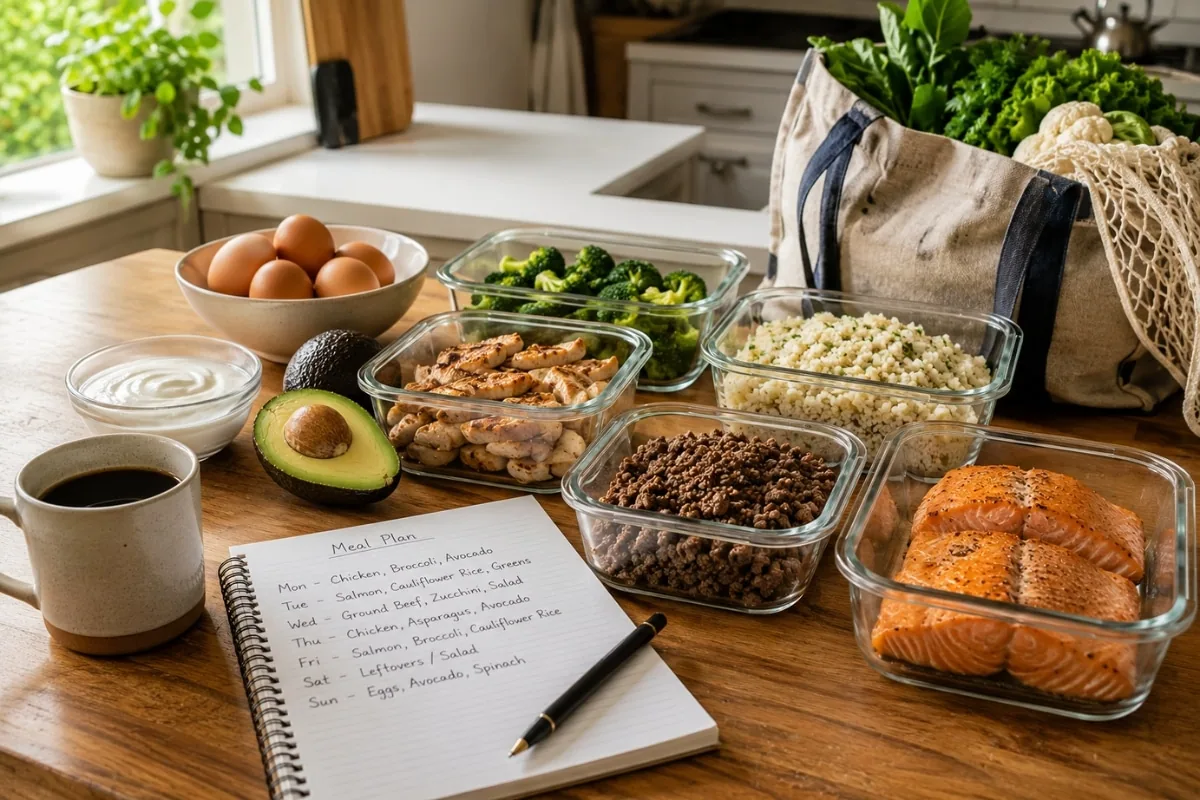
Low-carb meal planning sounds simple until real life gets involved. One busy week turns into another, groceries sit unused in the fridge, and suddenly dinner becomes another stressful decision at the end of an exhausting day.
Many people start low-carb eating with good intentions. They buy healthy ingredients, save recipes, and promise themselves they will stay organized this time. But without a simple routine, low-carb eating can quickly start feeling overwhelming. You stand in the kitchen wondering what to cook, snack because nothing is ready, or end up ordering takeout simply because planning ahead felt too difficult.
That cycle is incredibly common.
The problem is usually not motivation. It is decision fatigue.
When every breakfast, lunch, dinner, and snack requires a brand-new decision, even healthy eating starts to feel mentally exhausting. The more complicated low-carb becomes, the harder it is to stay consistent during busy workweeks, stressful days, family schedules, or low-energy evenings.
That is where low-carb meal planning can completely change the experience.
Not because you need rigid schedules, perfectly portioned containers, or complicated meal prep Sundays. In fact, most people do much better when meal planning becomes simpler, more flexible, and easier to repeat.
A realistic low-carb meal plan reduces stress rather than creating more of it.
Instead of constantly asking yourself what to eat, you already have a few reliable meals, easy grocery staples, and backup options ready to go. You waste less food, spend less time overthinking meals, and make far fewer impulsive food decisions when hunger hits.
The goal is not perfection.
The goal is to create simple routines that make low-carb eating feel easier to maintain in real life.
Why Low-Carb Meal Planning Makes Staying Consistent Easier
One of the biggest reasons people struggle with low-carb eating has nothing to do with carbs themselves. It is constantly deciding what to eat.
After a long day, most people do not want to spend an hour figuring out dinner. That is usually when cravings show up, takeout sounds easier, and random snacks suddenly become very tempting.
Low-carb meal planning helps remove that daily mental pressure.
When you already know what breakfast looks like, have simple lunch ingredients ready, and keep a few easy dinners in rotation, healthy eating becomes much easier to maintain during busy weeks. You stop relying so heavily on motivation because the decisions are already made.
This also helps reduce emotional eating.
A lot of stress eating happens when people feel overwhelmed, unprepared, or exhausted. Having reliable meals available creates structure around food instead of chaos. Even something as simple as cooked chicken in the fridge, boiled eggs ready to grab, or frozen burger patties can make a huge difference on difficult days.
Another thing many people misunderstand is that meal repetition is not a failure.
You do not need 27 different low-carb recipes every week to succeed. In fact, constantly chasing variety often makes meal planning harder than it needs to be. Most people stay more consistent when they stick to a small set of meals they genuinely enjoy and repeat them regularly.
Simple routines usually work better than complicated systems.
That might mean:
- eggs or Greek yogurt most mornings
- leftovers for lunch
- two or three reliable low-carb dinners during the week
- one emergency backup meal for exhausting days
Low-carb eating becomes far easier once you stop trying to make every meal feel new and exciting.
If you need help building a simple foundation, our guides to keto grocery list planning and quick, easy low-carb dinners for busy weeknights can make meal prep feel much more manageable.
What a Simple Low-Carb Meal Plan Actually Looks Like
One reason low-carb eating starts feeling overwhelming is that people think every meal needs a recipe.
It does not.
Most simple low-carb meals follow the same basic structure:
- a protein source
- low-carb vegetables
- healthy fats
- optional extras for flavor or variety
That is it.
A quick dinner might look like grilled chicken with broccoli and olive oil. Another night could be ground beef, cauliflower rice, avocado, and shredded cheese. Eggs with spinach and feta also fit the same formula.
You do not need to obsess over exact macros or build perfectly balanced plates every time you eat. Most people do much better when they focus on simple combinations they can repeat consistently instead of trying to create a different meal every day.
This approach also makes grocery shopping easier because you stop buying random ingredients you only use once.
Once you have a few proteins, vegetables, and healthy fats at home, you can mix and match meals throughout the week without overthinking.
The 3-Meal Rotation Method
One of the easiest ways to simplify low-carb meal planning is to use a small meal rotation instead of constantly searching for new recipes.
A simple system could look like this:
Breakfasts
- eggs with avocado
- Greek yogurt with nuts and berries
Lunches
- leftover low-carb dinners
- tuna salad bowls
- chicken salad wraps
Dinners
- beef and broccoli skillet
- sheet pan chicken and vegetables
- low-carb egg roll in a bowl
- burger patties with roasted vegetables
Then repeat those meals intentionally.
That may sound boring at first, but repetition is often what makes healthy eating sustainable. When meals become familiar, shopping gets easier, cooking gets faster, and cravings usually become more manageable because you are no longer making dozens of food decisions every day.
Most people do not fail low-carb eating because the food is bad.
They fail because the process becomes too mentally exhausting.
Simple meal rotations remove a lot of that pressure.
High-Protein Low-Carb Meal Planning That Actually Keeps You Full
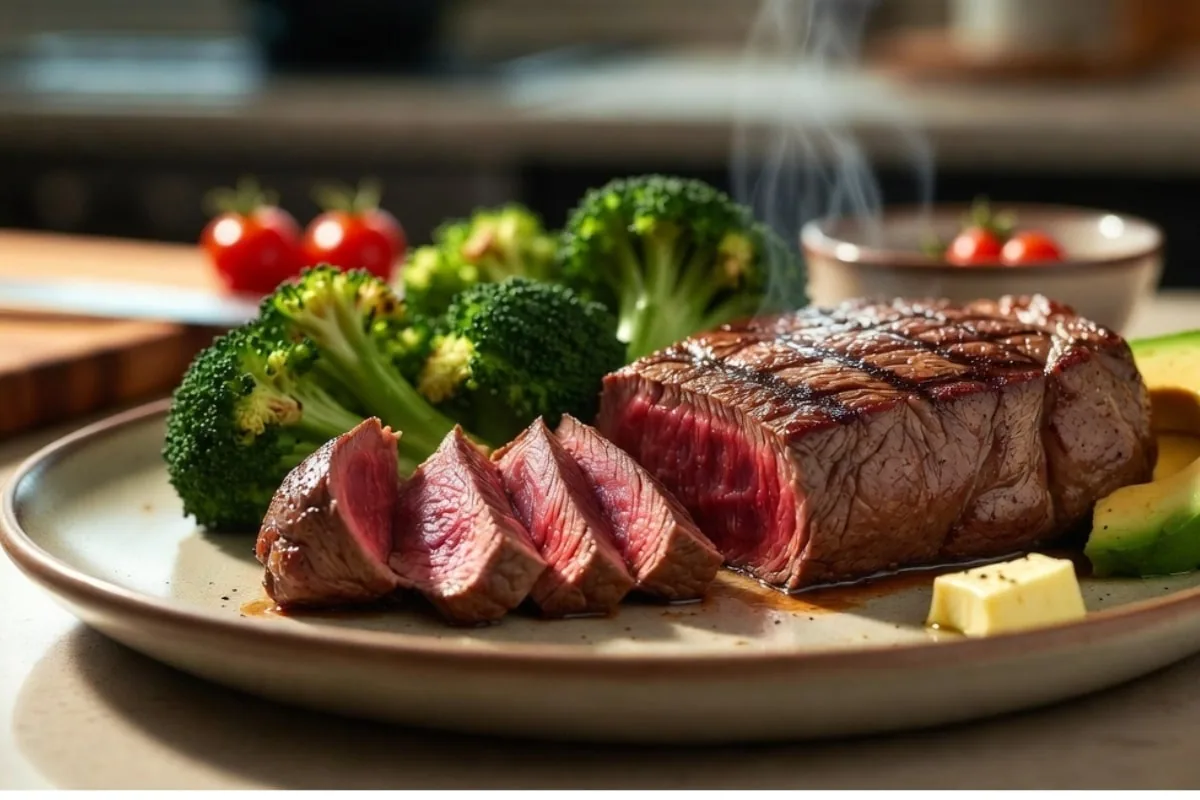
One of the biggest mistakes people make with low-carb eating is not eating enough protein.
That usually leads to constant snacking, low energy, and feeling hungry again an hour after meals. Many people blame low-carb itself when the real issue is that their meals simply are not satisfying enough.
High-protein, low-carb meal planning helps make meals feel far more stable and filling throughout the day.
Protein tends to slow hunger down naturally. Meals built around protein often keep people satisfied longer, reduce random cravings, and make it easier to avoid constant grazing between meals. Many people also notice more stable energy when meals are centered on protein rather than processed carbohydrates and sugary snacks.
It also makes low-carb eating feel simpler.
Instead of constantly wondering what to eat, you can build most meals around one reliable protein source and add a few simple sides. That approach works far better for busy people than trying to follow complicated meal plans with dozens of ingredients.
Protein also becomes increasingly important for maintaining muscle mass as people get older, especially during weight loss or periods of lower-calorie eating.
Easy High-Protein Foods to Build Meals Around
Simple low-carb meal planning becomes much easier when you keep a few reliable high-protein foods available each week.
Some of the easiest options include:
- eggs
- chicken thighs
- ground beef
- Greek yogurt
- tuna
- salmon
- cottage cheese
These foods work well because they are flexible, filling, and easy to combine with simple low-carb sides like roasted vegetables, salads, cauliflower rice, or avocado.
They also make meal prep faster.
Cooked ground beef can be used to make taco bowls, lettuce wraps, or skillet meals. Rotisserie chicken can be used in salads, soups, or quick lunches. Eggs work for breakfast, snack plates, or even simple dinners on exhausting evenings.
You do not need complicated recipes to make low-carb work consistently.
Why Protein Makes Low-Carb Easier to Sustain
Many people stay low-carb longer when they stop focusing only on restriction and start focusing more on satisfaction.
Meals that contain enough protein usually make you feel calmer and more complete. You are less likely to keep searching the kitchen for snacks an hour later because your meals actually keep you full.
That is one reason simple, high-protein meals often work better than heavily processed “keto” foods that may technically fit low-carb macros but do little to control appetite.
A simple plate of eggs and avocado, beef and vegetables, or salmon with roasted broccoli is often far more satisfying than protein bars, keto desserts, or packaged snack foods.
High-protein, low-carb meal planning also works well for busy routines because many protein-focused meals are easy to repeat without becoming complicated.
If you need more practical meal inspiration, our guides to keto-friendly breakfast ideas, beef-and-broccoli skillet dinners, and low-carb egg roll in a bowl recipes can help you build simple, high-protein meals you can actually repeat during the week.
Simple Low-Carb Meal Planning Recipes for Busy Weeknights
Most people do not struggle with low-carb eating on calm weekends.
They struggle on busy Tuesday nights when everyone is tired, the kitchen is a mess, and nobody wants to cook.
That is why low-carb meal planning works best when meals are simple, repeatable, and realistic for everyday life. You do not need complicated recipes every evening. A few reliable dinners that cook quickly and clean up easily are usually enough to make low-carb feel manageable during the week.
Fast meals also reduce the temptation to order takeout when energy is low.
Fast Skillet Meals
Skillet meals are one of the easiest ways to make low-carb dinners feel practical.
Everything cooks in one pan, cleanup stays simple, and most meals are ready in under 30 minutes. They also work well for leftovers, which makes lunch easier the next day.
Some easy options include:
- beef and broccoli skillet
- low-carb egg roll in a bowl
- taco beef bowls
- garlic chicken and vegetables
- sausage and cabbage skillets
Skillet meals are especially helpful for busy families because they are flexible. You can change the proteins, vegetables, or seasonings without having to learn completely new recipes every week.
Sheet Pan Dinners
Sheet pan meals are another easy option for low-effort, low-carb meal planning recipes.
Most require little more than adding protein and vegetables to a tray, seasoning everything, and letting the oven handle the work.
Simple combinations like chicken thighs with broccoli, salmon with asparagus, or sausage with roasted vegetables work well because they require very little planning once you have basic ingredients at home.
They also make batch cooking easier.
Cooking extra portions at dinner often creates easy lunches without the need for separate meal prep sessions later in the week.
Slow Cooker and Meal Prep Meals
Slow-cooker meals make low-carb eating feel much easier during stressful weeks.
Adding ingredients in the morning and returning to a ready meal later removes a huge amount of evening pressure. Meals like shredded beef, pulled chicken, soups, chili, or pot roast also store well for leftovers.
Meal prep does not need to mean spending an entire Sunday cooking dozens of containers, either.
Sometimes, simple preparation is enough:
- cooked ground beef in the fridge
- chopped vegetables, ready to use
- boiled eggs
- grilled chicken
- pre-washed salad ingredients
Small preparation steps often make the biggest difference during busy evenings.
Emergency Low-Carb Meals for Exhausting Days
This is one of the most important parts of realistic low-carb meal planning.
Every person eventually has days when cooking feels impossible. If there is no backup plan, takeout, drive-thru meals, or random snacking usually take over.
Keeping a few emergency low-carb meals available can prevent that spiral completely.
Some easy backup ideas include:
- eggs and avocado
- rotisserie chicken
- tuna bowls
- low-carb snack plates
- leftovers from previous dinners
- cottage cheese with nuts
- deli meat and cheese roll-ups
These meals are not fancy, but they work.
And honestly, consistency matters far more than creating perfect Instagram-worthy dinners every night.
If you need more easy meal inspiration, our guides to quick and easy low-carb dinners, low-carb egg roll in a bowl, and beef and broccoli skillet recipes can help you build a small group of reliable meals that fit real schedules.
Low-Carb Meal Planning Ideas When You Get Bored Easily
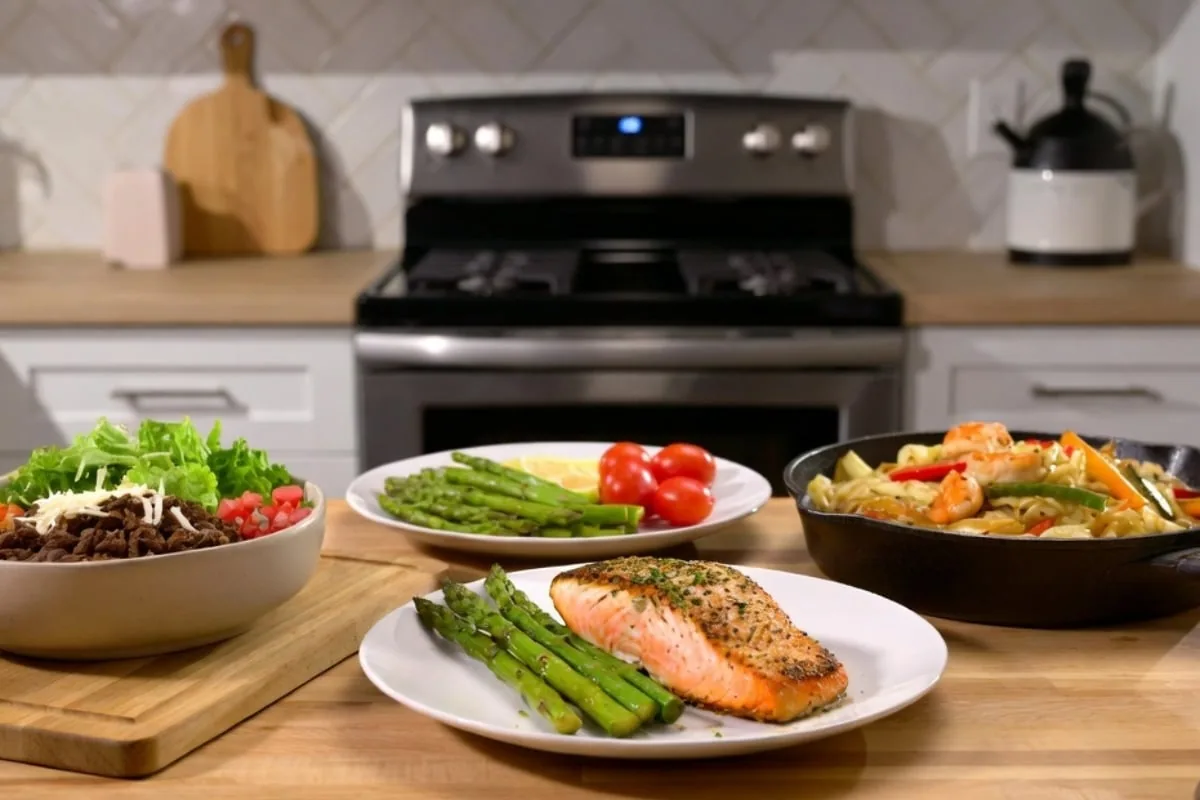
One reason people quit low-carb eating is simple boredom.
Not because low-carb food tastes bad, but because eating the exact same thing every day eventually starts feeling repetitive and restrictive. The good news is you usually do not need completely new recipes to fix that problem.
Small flavor changes can make familiar meals feel different again without complicating meal planning.
Change Flavors Without Changing Your Entire Diet
A simple bowl of ground beef and vegetables can turn into completely different meals just by changing seasonings and toppings.
For example:
- taco bowls with avocado, cheese, and salsa
- garlic butter chicken and broccoli
- Mediterranean-style bowls with olives and feta,
- smoky flavors using paprika and grilled meats
- Asian-inspired bowls with sesame oil, ginger, and cabbage
The base ingredients often stay almost the same. That keeps grocery shopping simpler while still giving meals more variety during the week.
This approach also helps reduce food waste because you reuse ingredients in multiple ways rather than constantly buying specialty items for a single recipe.
Rotate Proteins Instead of Reinventing Meals
Another easy trick is rotating proteins instead of constantly searching for entirely new meal ideas.
For example:
- chicken one night
- salmon the next
- ground beef later in the week
- eggs for a quick dinner
- tuna for simple lunches
Even when vegetables and sides stay the same, changing the protein is enough to keep the overall meal interesting.
This is usually much easier than trying to cook brand-new recipes every single week.
Many people actually stay more consistent when they simplify their meals instead of constantly chasing variety.
Breakfast-for-Dinner and Snack Plate Nights Count Too
Low-carb meal planning does not need to look perfect every night.
Some evenings, breakfast-for-dinner works perfectly fine. Eggs, bacon, avocado, or Greek yogurt bowls can be fast, filling, and far less stressful than cooking a large meal when energy is low.
Snack plate dinners also count.
Simple combinations like:
- boiled eggs
- cheese
- sliced vegetables
- olives
- deli meat
- smoked salmon
- nuts
can easily become realistic low-carb meals on busy nights.
That flexibility is important because sustainable meal planning is not about following rigid food rules. It is about having enough simple options available that low-carb eating still feels manageable in real life.
How to Start Low-Carb Meal Planning on a Budget
A lot of people assume low-carb eating has to be expensive.
It can be if every grocery trip includes specialty keto snacks, protein bars, packaged desserts, and trendy health foods. But simple low-carb meal planning is often much cheaper when meals are built around basic ingredients instead of heavily processed convenience products.
In many cases, simplifying meals actually helps reduce grocery spending because you buy fewer random ingredients and waste less food.
Budget-Friendly Low-Carb Staples
Some of the most affordable low-carb foods are also the easiest to meal prep and repeat during the week.
Good budget-friendly staples include:
- eggs
- canned fish
- frozen vegetables
- chicken thighs
- ground beef
These foods work well because they are flexible, filling, and usually cheaper than constantly buying takeout or packaged keto products.
Frozen vegetables are especially useful because they last longer and help reduce food waste during busy weeks. Ground beef can make multiple meals, eggs work at any time of day, and canned tuna or salmon make quick lunches with minimal preparation.
Low-carb eating becomes much easier when your kitchen stays stocked with simple basics instead of complicated ingredients.
Batch Cooking Saves More Than Money
Batch cooking is not just about saving time.
It also helps reduce last-minute food spending when life gets busy.
Cooking extra portions of chicken, taco meat, soup, or roasted vegetables creates ready-to-eat meals that make takeout far less tempting later in the week. Even preparing one extra dinner portion can turn tomorrow's lunch into an easy, low-carb option with minimal extra effort.
You also waste less food because ingredients are used more consistently, rather than sitting forgotten in the fridge.
Simple preparation usually works better than extreme meal prep.
A few cooked proteins, washed vegetables, and easy grab-and-go foods are often enough to make the week feel far less stressful.
Avoid Expensive “Keto” Convenience Foods
One of the fastest ways to make low-carb eating expensive is relying too heavily on specialty keto products.
Many keto bars, desserts, cereals, shakes, and packaged snacks cost far more than simple whole foods while still leaving people hungry again shortly afterward.
Low-carb meal planning usually works better when meals stay simple:
- protein
- vegetables
- healthy fats
- practical leftovers
That approach is often cheaper, more filling, and easier to maintain over the long term.
If you want help building a practical shopping routine, our low-carb grocery shopping guide and affordable keto grocery list can help you create a simpler kitchen setup without overspending.
A Simple 3-Day Low-Carb Meal Planning Example
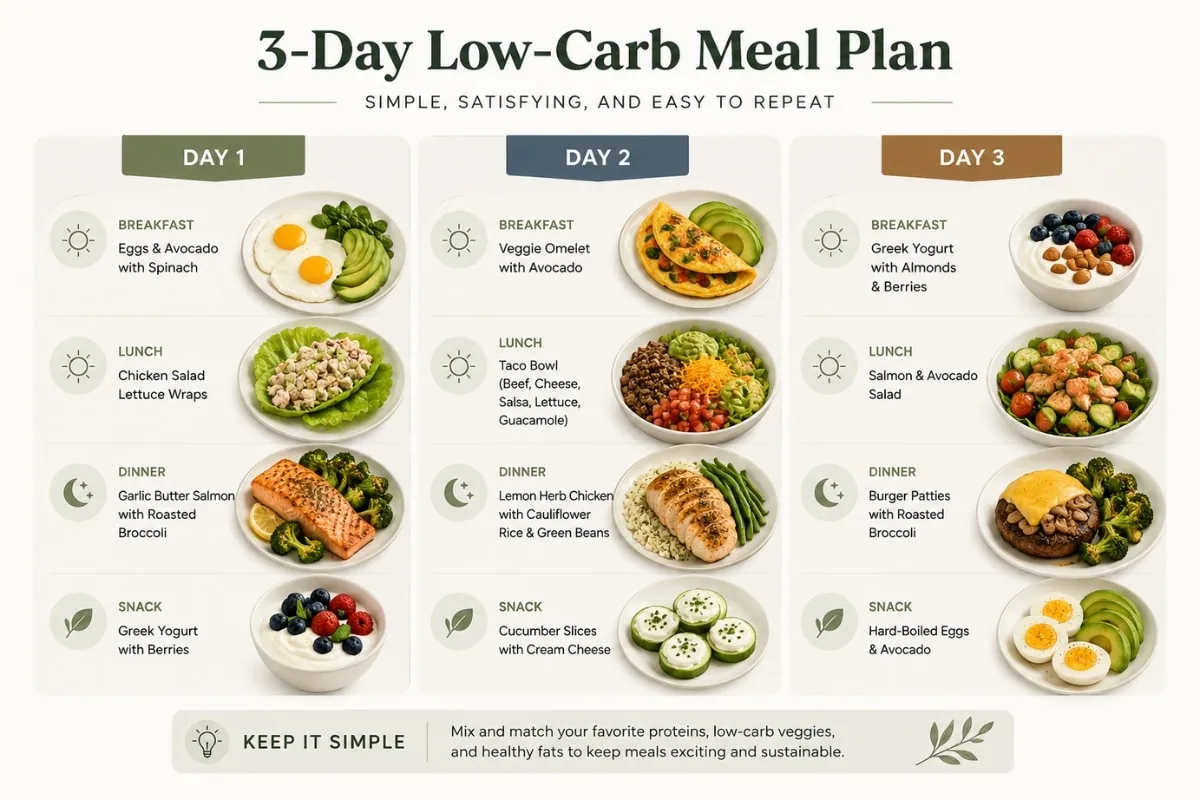
Low-carb meal planning does not need to involve spreadsheets, complicated prep schedules, or perfectly calculated meals.
Most people do better with a small group of simple meals they can repeat easily during busy weeks. This type of flexible structure helps reduce stress around food without making low-carb eating feel restrictive.
Here is a simple example using practical meals and repeat ingredients.
Day 1
Breakfast
Eggs with avocado and a side of berries
Lunch
Leftover beef and broccoli skillet with cauliflower rice
Dinner
Sheet pan chicken thighs with roasted broccoli and olive oil
Simple Snack Options
- boiled eggs
- cheese cubes
- almonds
Day 2
Greek yogurt with walnuts and cinnamon
Lunch
Tuna salad bowl with cucumber, lettuce, olive oil, and feta
Dinner
Low-carb egg roll in a bowl with ground pork or beef
Simple Snack Options
- celery with cream cheese
- cottage cheese
- turkey roll-ups
Day 3
Breakfast
Scrambled eggs with spinach and cheese
Lunch
Leftover egg roll bowl or rotisserie chicken salad
Dinner
Burger patties with roasted vegetables and avocado
Simple Snack Options
- olives
- nuts
- sliced cucumber and hummus
This type of meal plan works well because it stays realistic.
There is no calorie obsession, complicated tracking, or pressure to cook entirely new meals every day. Many ingredients repeat naturally throughout the week, which makes grocery shopping easier and helps reduce food waste.
The goal is not building a perfect meal plan.
The goal is to make low-carb eating simple enough that you can actually stick with it during real life.
Common Low-Carb Meal Planning Mistakes
Low-carb meal planning usually becomes much easier once people stop trying to do everything perfectly.
Many common problems stem from overcomplicating the process rather than simplifying it.
Trying to Cook Different Meals Every Day
One of the fastest ways to burn out is trying to make every meal unique.
That usually leads to exhausting grocery trips, wasted ingredients, and spending too much time thinking about food. Repeating meals is completely normal and often makes low-carb easier to maintain long term.
Simple meal rotations reduce stress and help healthy habits feel more automatic.
Not Eating Enough Protein
Many people accidentally build low-carb meals around snacks, cheese, or “keto treats” instead of real protein.
That often leads to cravings, constant hunger, and low energy later in the day.
Meals built around eggs, chicken, beef, fish, or Greek yogurt usually feel much more satisfying and help reduce random snacking between meals.
Relying Too Heavily on Processed Keto Snacks
Protein bars, keto desserts, packaged chips, and low-carb sweets may occasionally fit into a low-carb lifestyle, but relying on them too heavily can make meal planning more difficult and expensive.
Many of these foods are easy to overeat and often do not keep people full for very long.
Simple meals based on real food usually work better for appetite control and consistency.
Buying Too Many Ingredients
A common beginner mistake is buying large amounts of specialty low-carb ingredients all at once.
That often creates overwhelmed kitchens and wasted food.
Most successful low-carb meal plans are surprisingly simple:
- a few proteins
- a few vegetables
- healthy fats
- repeatable meals
You do not need dozens of complicated recipes to eat well.
Skipping Backup Meals
Every person eventually has stressful or exhausting days where cooking feels impossible.
Without backup meals ready, takeout and convenience food are usually the easiest options.
Keeping simple emergency meals on hand, such as eggs, rotisserie chicken, canned tuna, leftovers, or low-carb snack plates, can prevent that problem entirely.
Trying to Be Perfect
This may be the biggest mistake of all.
Many people quit low-carb because they think one bad meal means they failed completely. In reality, consistency matters far more than perfection.
Simple routines repeated most of the time usually produce better long-term results than extreme meal plans that become impossible to maintain after two weeks.
Low-Carb Meal Planning Does Not Need to Be Perfect
One of the most helpful mindset shifts with low-carb meal planning is realizing that simple routines usually work far better than perfect plans.
You do not need color-coded containers, complicated prep schedules, or a brand-new recipe every night to eat well consistently. In fact, many people find that low-carb becomes much easier once they stop trying to do everything perfectly and start building a few reliable habits instead.
Simple meals work.
Repeating meals works.
Keeping emergency backup foods works.
Most people stay more consistent when eating feels predictable and manageable instead of stressful and complicated.
That is really what low-carb meal planning is supposed to do. Reduce mental pressure around food, not create more of it.
Over time, routines begin to replace constant decision-making. Grocery shopping gets easier, weeknight dinners feel less overwhelming, and healthy meals become something you can repeat naturally instead of forcing yourself to stay motivated every day.
Consistency almost always beats perfection.
If you want extra help building a simple low-carb routine, our meal-planning guides, keto grocery lists, breakfast ideas, and quick low-carb dinner recipes can help you create meals that actually fit into real life.
FAQ Section

What foods should I avoid in low-carb meal planning?
Most low-carb meal plans limit foods that are high in sugar and refined carbohydrates.
That usually includes:
- sugary drinks
- candy
- pastries
- white bread
- pasta
- rice
- breakfast cereals
- heavily processed snack foods
Many people also reduce highly processed “diet” foods that leave them hungry again quickly. Simple meals built around protein, vegetables, and healthy fats often feel much more satisfying.
How much protein should I eat on a low-carb diet?
Protein needs vary with age, activity level, and personal goals, but most people benefit from building each meal around a good source of protein.
Foods like eggs, chicken, beef, Greek yogurt, fish, and cottage cheese can help meals feel more filling and stable throughout the day. Many people find that high-protein, low-carb meals help reduce cravings and make appetite easier to manage.
Can low-carb meal planning work for families?
Yes. In many homes, low-carb meals simply become regular dinners with flexible sides.
For example, one person may skip rice or bread while the rest of the family adds them separately. Meals like taco bowls, grilled chicken, burgers, sheet pan dinners, and skillet meals are often easy to adapt for different preferences without cooking completely separate meals.
Is low-carb meal planning expensive?
It does not have to be.
Simple low-carb meal planning is often much cheaper than constantly buying takeout, snacks, and packaged convenience foods. Budget-friendly staples like eggs, frozen vegetables, canned tuna, chicken thighs, and ground beef can help keep costs manageable.
Avoiding heavily processed keto products also helps reduce grocery spending significantly.
What are the easiest low-carb meals for beginners?
Beginners usually do best with simple meals that require very little preparation.
Some easy examples include:
- eggs and avocado
- rotisserie chicken with vegetables
- beef and broccoli skillet meals
- low-carb egg roll in a bowl
- tuna salad bowls
- burger patties with roasted vegetables
Meals do not need to be complicated to work well.
How do I meal prep low-carb meals for the week?
The easiest approach is usually preparing a few basics instead of fully cooking every meal ahead of time.
For example:
- cook extra protein
- wash and chop vegetables
- boil eggs
- prepare simple lunch ingredients
- keep emergency backup meals available
Small preparation steps often make the biggest difference during busy weekdays.
Make Low-Carb Meal Planning Even Easier
One of the hardest parts of low-carb meal planning is remembering which foods are truly low in carbs and which ones can quietly add up throughout the day.
That is why keeping a simple reference nearby can make grocery shopping, meal prep, and everyday food decisions feel much less overwhelming.
If you want an easier way to build meals with confidence, download our Carb Count Cheat Sheet. It is a simple guide designed to help make low-carb meal planning faster, easier, and far less stressful during busy weeks.