Low-Carb Lifestyle
Low-Carb on a Budget: A Grocery List That Costs Less
Cutting carbs does not have to raise your grocery bill. The expensive part of low-carb is almost never the food.
Your cart total went up, and nobody warned you about that part.
Cutting carbs is supposed to make eating simpler. Then you get to the register and the number is higher than it was back when you were buying pasta and bread. Almond flour costs more than a whole chicken. The keto bread is priced like a treat. A box of keto cookies costs more than the meat you actually came in for.
Eating low-carb on a budget is not about buying less food. It is about noticing that the expensive part of low-carb is almost never the food. It is the replacements.
Why low-carb feels expensive when it usually is not
There are two ways people shop after cutting carbs, and they produce very different receipts.
The first is substitution. You keep the same meals and buy a low-carb version of every part: bread becomes keto bread, pasta becomes konjac noodles, flour becomes almond flour, chips become cheese crisps in a bag. The meal looks the same. The cost roughly doubles, because every one of those products is a niche item made in small volumes.
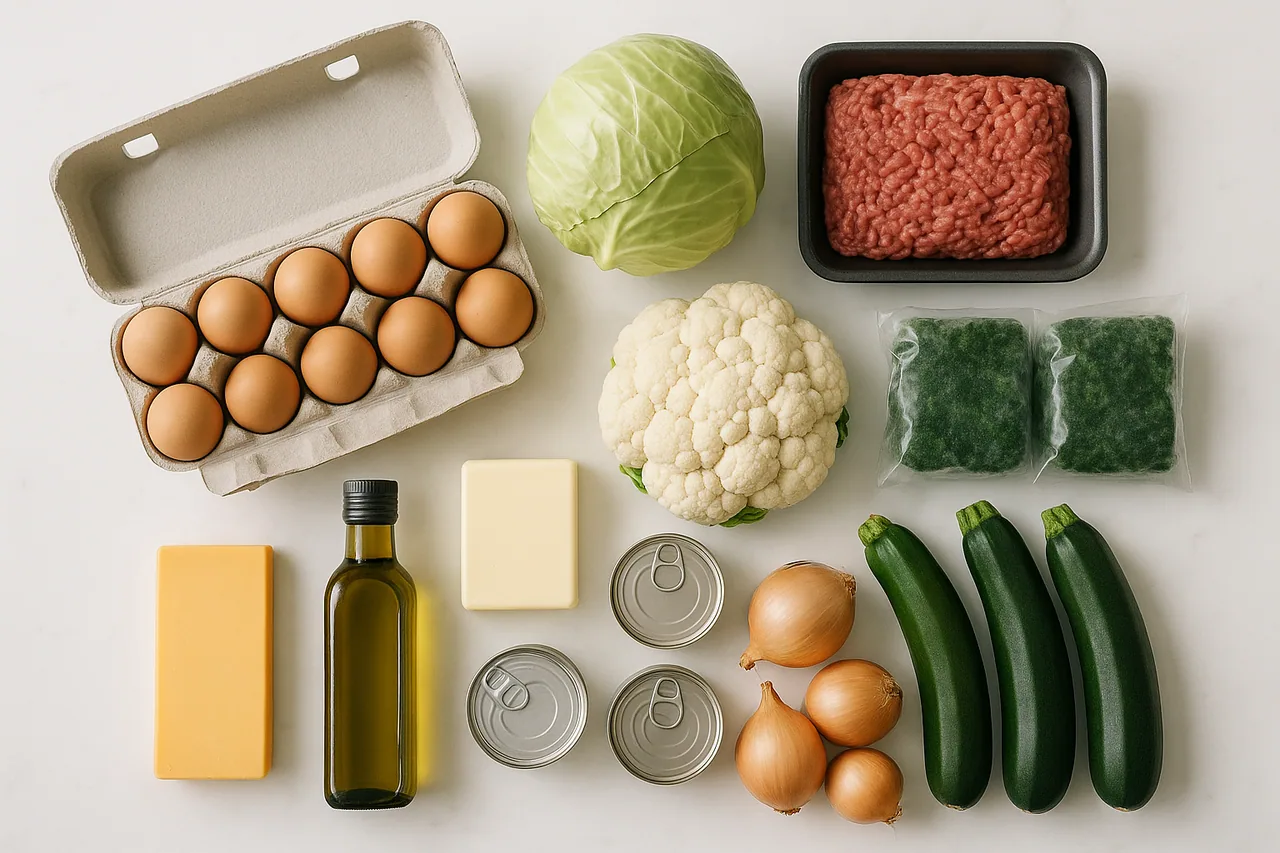
The second is rebuilding. You stop trying to reproduce the old plate and build meals from foods that were always cheap: eggs, ground meat, chicken thighs, cabbage, frozen spinach, canned fish, butter. Nothing on that list is a specialty product. Most of it has been the cheap end of the store for decades.
The USDA's Economic Research Service publishes running forecasts of food price changes by category, and it is worth a look if you want current numbers rather than a promise. What tends to hold is the relationship, not the price tag: whole cuts cost less than portioned ones, thighs cost less than breast, frozen vegetables cost less than fresh, and anything pre-cut, pre-cooked or pre-portioned carries a labor charge you are paying for.
Key takeaway: Substitution is what makes low-carb expensive. Rebuilding is what makes it cheap. Same carb count, very different receipt.
The low-carb foods that cost the least per meal
Cost per pound is the wrong measure. What matters is cost per meal that actually holds you, which means looking at protein and fat together rather than weight.
Protein that stretches
Protein is the part that decides whether a meal keeps you full, so it is the last thing to economize on and the easiest place to shop well. Harvard's Nutrition Source makes the point that the source of protein matters more than the amount — and conveniently, several of the better sources are also the cheaper ones.
- Eggs — roughly 0.4g of carbs each, and the cheapest complete protein in most stores.
- Chicken thighs, bone-in and skin-on — consistently cheaper per pound than breast, and harder to overcook.
- Ground beef and ground pork — the fattier grinds cost less and work better in low-carb cooking.
- Canned tuna, salmon and sardines — shelf stable, no waste, no cooking.
- Whole chicken — cheaper per pound than any cut of it, and the carcass makes stock.
- Pork shoulder — the cheapest cut in most butcher cases and the best value if you own a slow cooker.
Vegetables that do not spoil on you
Waste is a hidden cost. A bag of spinach that liquefies on Thursday costs more per serving than the frozen block you actually used.
- Cabbage — the least expensive low-carb vegetable in most stores, keeps for weeks, and shreds into a base for almost anything.
- Frozen spinach, broccoli and green beans — no spoilage clock, and picked and frozen at ripeness.
- Whole cauliflower — riced at home for a fraction of what pre-riced costs.
- Zucchini, celery, onions, carrots in small amounts — cheap, sturdy, and used in enough dishes that nothing is left over.
Fat, which is where low-carb quietly saves money
Fat is calorie-dense, which means a little of it does the work that a large volume of carbohydrate used to. Butter, lard, and store-brand olive oil are the practical choices. Coconut oil, MCT oil and grass-fed ghee are fine, but they are optional, not structural.
For a fuller picture of what belongs in the cart before you start optimizing what it costs, the low-carb grocery shopping list covers the categories in order. If you are eating strictly ketogenic rather than generally low-carb, the keto grocery list is the tighter version.
The four things quietly costing you the most
Most low-carb grocery bills have the same four leaks. None of them are food you needed.
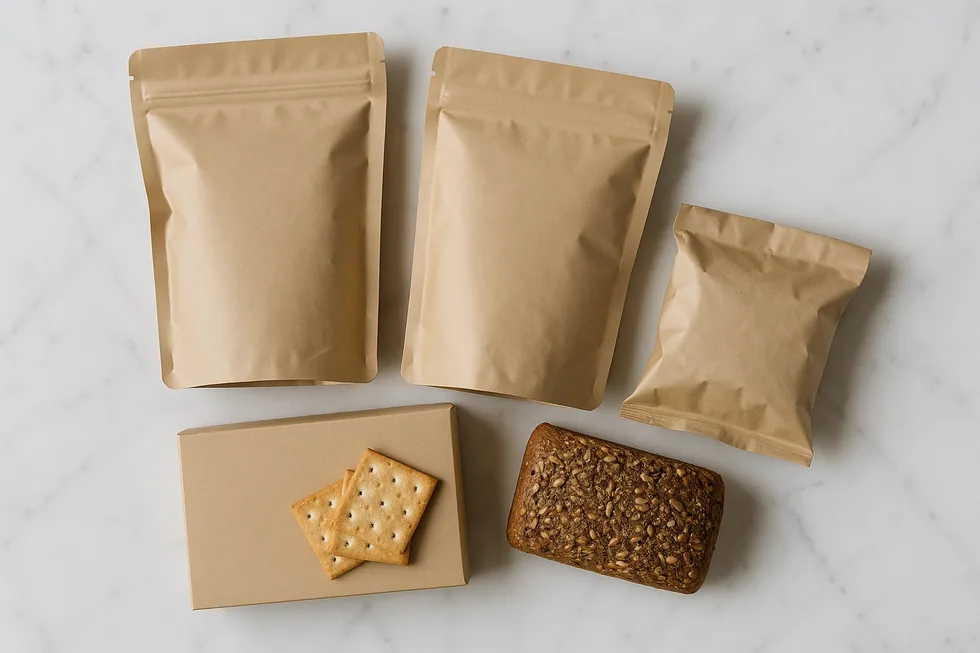
1. Specialty flours. Almond and coconut flour are genuinely useful and genuinely expensive. The question is not whether they work but how often you actually bake. If a bag has been open since March, it was not a grocery purchase, it was a hobby purchase.
2. Packaged snacks with "keto" on the front. These carry the largest markup in the category, and the label itself is not a regulated claim. Check the panel on the back — many of them are ordinary snack food with a different front.
3. Pre-cut, pre-riced, pre-cooked anything. Riced cauliflower, spiralized zucchini, shredded cheese, sliced mushrooms, cooked chicken strips. Every one of those is a knife charge. If the week is genuinely too tight for chopping, pay it deliberately on one item rather than by default on six.
4. Replacements for foods you did not really miss. Most people buy the keto bread, the keto tortilla and the keto pasta in the first month, then find they only ever wanted one of the three. Buy one at a time and see which one you finish.
Key takeaway: The four leaks are flours, packaged snacks, convenience prep, and replacement products. Cut them and the bill falls without a single meal changing.
How to shop low-carb on a budget without tracking every dollar
You do not need a spreadsheet. You need a shape for the week that repeats, so that decisions stop being made in the aisle.
Pick two proteins for the week, not six. One that roasts or slow-cooks in a batch, one that cooks fast on a weeknight. A pork shoulder and a pack of ground beef will carry seven dinners between them.
Pick one vegetable format and buy it in volume. A cabbage, a bag of frozen spinach, a head of cauliflower. Variety within a week is where money leaks; variety between weeks costs nothing.
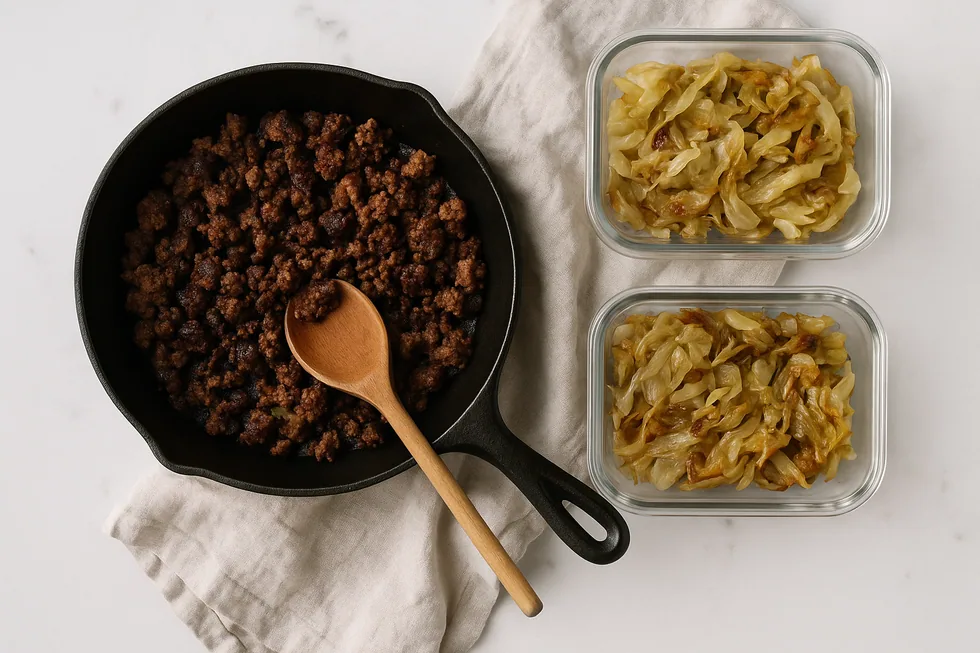
Cook once, eat twice, deliberately. Not leftovers by accident — a batch cooked on purpose, portioned before it goes in the fridge. This is the single change that removes the most expensive meal of the week, which is the one bought at 6pm when nothing is ready.
Read the unit price, not the shelf price. It is printed in small type on the shelf label. Family packs are usually cheaper per pound; sometimes they are not, and only the unit price tells you.
Repeat the week that worked. The instinct is to plan something new. Repetition is cheaper, faster, and it is also what makes food stop taking up mental room. If planning is the part that keeps collapsing, the walkthrough in low-carb meal planning is a simpler system than most, and the 7-day low-carb meal plan gives you a week you can copy outright.
A one-week low-carb list that stays cheap
This is a shape, not a prescription. Adjust the quantities to how many people you are feeding.
Protein
- 2 dozen eggs
- 1 pack ground beef (80/20 or 85/15)
- 1 pack bone-in chicken thighs
- 3–4 cans tuna or sardines
- 1 pork shoulder or whole chicken, if you have a slow cooker or an oven free on a Sunday
Vegetables
- 1 green cabbage
- 2 bags frozen spinach or broccoli
- 1 head cauliflower
- 2–3 zucchini
- 1 bag onions
Fat and dairy
- Butter
- Store-brand olive oil
- A block of cheddar — blocks cost less than bags and do not carry the anti-caking starch
- Sour cream or heavy cream
Pantry
- Salt, pepper, cumin, paprika, chili powder, garlic powder
- Mustard, vinegar, hot sauce
Nothing on that list is a specialty item, and nothing on it is going to be thrown out on Sunday. If you want the wider set of staples this list is drawn from, it is in best keto-friendly foods.
Cheap low-carb meals that come out of one list
The point of buying two proteins and one vegetable format is that the meals stop being separate projects.
- Ground beef, cumin, paprika and chili powder becomes taco filling — served over shredded cabbage, or in the crisp cheddar shells in these keto taco cups, which use a block of cheddar and nothing else specialized.
- The same beef over pan-fried cauliflower rice becomes a low-carb taco bowl, which is the cheapest full dinner on this list.
- The same beef, without the spices, becomes the ground beef and cabbage stir fry — butter, onion and a splash of soy sauce, no taco spices needed.
- Chicken thighs roast on a sheet pan with whatever vegetable is open.
- Eggs and frozen spinach become a baked egg dish that feeds you for three breakfasts.
- Pork shoulder, cooked once, becomes four dinners and does not taste like the same meal twice.
More in the same vein: quick and easy low-carb dinners.
What actually changes
Cutting the specialty aisle out of a low-carb diet does two things at once. The bill comes down, and the food gets more predictable — because whole ingredients behave the same way every time, and packaged ones do not.
That predictability is the part worth having. When the week is built from six or seven ingredients you already know how to cook, there is less to decide, less to track, and less that can quietly move your carb count without you noticing. Cheaper is a side effect of simpler, not a compromise you are making.
Common questions
Is low-carb more expensive than a normal diet?
It does not have to be. The expense comes from replacement products, not from low-carb food. A week built on eggs, ground meat, chicken thighs, cabbage and frozen vegetables generally costs less than the same week built on bread, cereal, packaged snacks and takeout.
What is the cheapest low-carb food?
Eggs, for protein. Cabbage, for vegetables. Both are among the least expensive items in the store, both keep well, and both are flexible enough to appear several times a week without the week feeling repetitive.
Are frozen vegetables as good as fresh for low-carb?
For most purposes, yes, and they cost less. They are also picked and frozen close to ripeness, and there is no spoilage clock, which means the serving you paid for is the serving you eat.
Do I need almond flour to eat low-carb?
No. Almond flour is for baking, and baking is optional. If you are not making bread or crackers, you can eat low-carb indefinitely without ever opening a bag of it.
Is it cheaper to buy meat in bulk?
Usually, but check the unit price rather than assuming. Bulk is only cheaper if you have the freezer space and actually use it — a family pack that freezer-burns is more expensive than the small one you finish.
Where to go next
Work out your own numbers before your next shop.
A cheaper cart only helps if it is the right cart. Find the carb and protein targets that fit you, and keep the counts in your pocket while you shop.
Try the free keto calculator →Get the free carb count cheat sheet
Sources
- Food Price Outlook. USDA Economic Research Service
- Protein. Harvard T.H. Chan School of Public Health, The Nutrition Source